
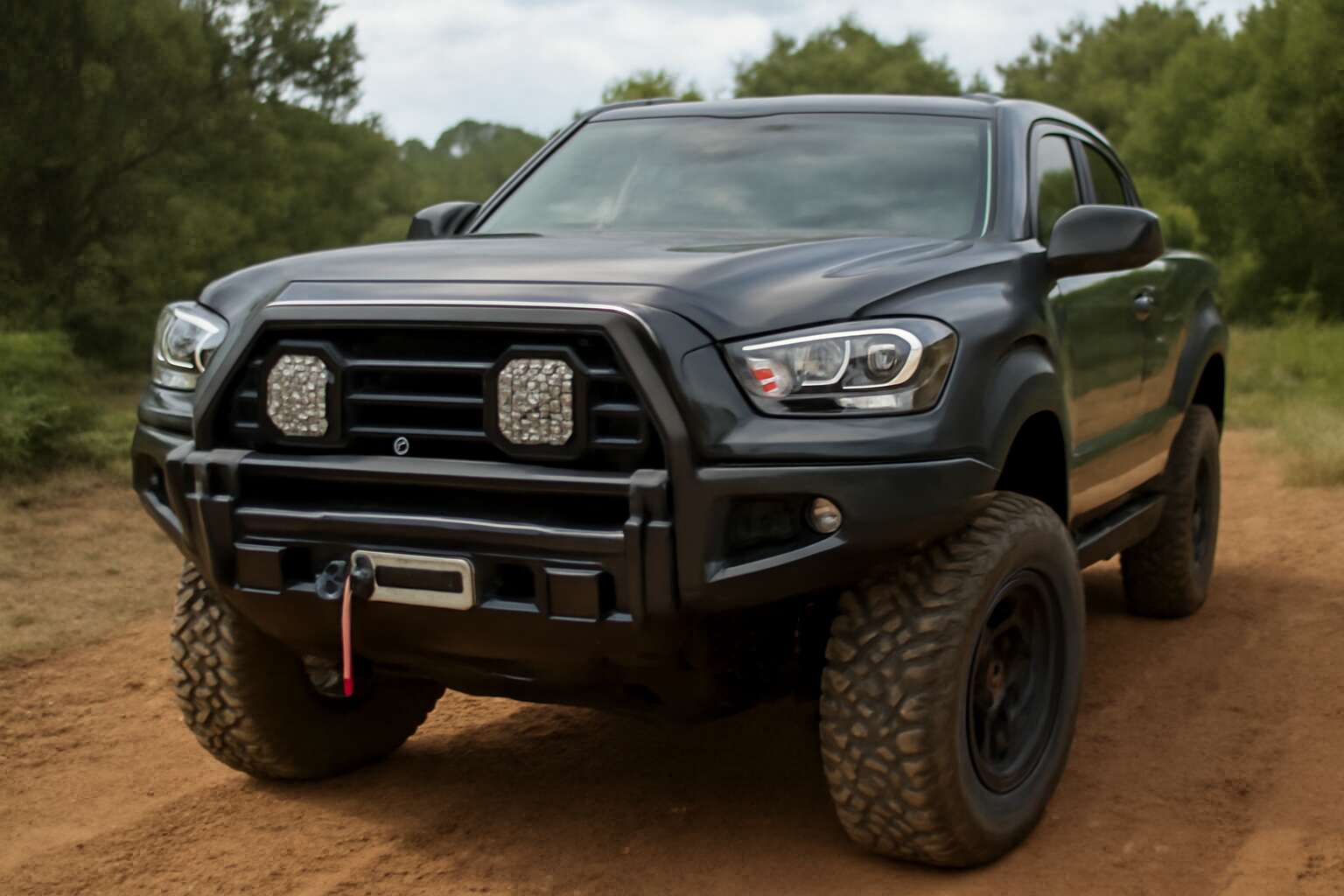
Choosing a Vehicle-Ready Bullbar Rack: Fit and Compatibility
Vehicle compatibility and mounting options
In the harsh tempo of South African road trips, a secure front bullbar rack is more than gear—it’s reliability on the trail. Choosing a vehicle-ready option means prioritizing fit and compatibility, where your vehicle’s design meets practical payload needs with quiet confidence, a reflection of resilience in a land that tests patience.
Key considerations for vehicle compatibility and mounting options include:
- Vehicle compatibility: bumper style, mounting hole patterns, and clearance around the grille and sensors
- Load distribution: weight rating and center of gravity to maintain steering and suspension balance
- Accessory integration: compatibility with winches, light bars, and trays so everything works in harmony
Mounting options vary by model and installer approach—bolt-on brackets for a tidy, reversible fit or more permanent weld-on solutions where permitted. In a market like South Africa, where versatility matters, choosing a rack that aligns with your vehicle’s architecture promises fewer rattles and longer service life.
Weight limits and load distribution
On South Africa’s gravel and tar, a well-chosen front bullbar rack is more than gear—it’s quiet confidence in every bend. Fit and compatibility matter as much as payload; the rack must align with bumper styles, grille clearance, and your vehicle’s architecture so you don’t fight the road every kilometer.
Weight limits and load distribution keep steering and suspension honest, preserving balance on corrugated tracks and long highways alike. A practical setup respects the center of gravity, distributing the load toward secure mounting points while avoiding wind or squeal from uneven weight.
- Weight rating aligned with axle and suspension limits
- Center of gravity placement for predictable handling
- Grille clearance and sensor compatibility to prevent interference
With the right pairing, the front bullbar rack becomes a trusted companion on SA’s diverse terrain.
Accessory mounting points and versatility
Fit isn’t optional—it’s the edge that keeps your SA drives confident. A front bullbar rack should feel like part of the vehicle, not a bolt-on afterthought. The right pick respects bumper lines and your cab’s silhouette, letting you move from city lanes to remote tracks without a fight.
When choosing a front bullbar rack, consider accessory mounting points and versatility. A modular system expands with your gear—lights, recovery tools, jerry cans, or a roof box—without clutter. Solid fasteners, clean rails, and footprints that fit common aftermarket gear ensure smooth integration with ongoing use and off-road adventures.
- Mounting point compatibility with your vehicle’s hardware
- Modular rails for easy expansion
- Low-profile design to preserve aerodynamics
Installation should be straightforward and the rack should blend with your vehicle’s architecture. A well-fitting front bullbar rack stays secure on rough roads, resists corrosion, and keeps a tidy look as you conquer South Africa’s diverse terrain.
Installation guides by vehicle type
Fit is not negotiable. In SA, a front bullbar rack that clashes with bumper curves invites noise, drag, and damage. The right fit feels like it belongs there—clean, integrated, ready for gravel, tar, and long weekends.
Choose installation guides by vehicle type to ensure a true match. Utes, SUVs, double-cab pickups, and light commercial vans each have distinct mounting realities.
- Utes and double-cab pickups
- SUVs with factory bumper geometry
- Light commercial vans and 4×4 wagons
These guides align rail profiles, anchor points, and bolt patterns, reducing guesswork and ensuring seamless integration.
With the right guide, the rack sits balanced and tidy, preserving aerodynamics and clear access to recovery points. The aim is a system that respects the vehicle’s architecture and the road you roam across South Africa.
Core Benefits and Use Cases of Bullbar Racks
Extra storage for recovery gear and equipment
On South Africa’s rugged byways, a front bullbar rack becomes more than cargo—it’s a compass for safety and speed on the trail. On remote tracks, every minute matters, and a ready setup turns recovery work into something efficient and confident.
Core benefits unfold when recovery gear stays secured, organized, and within easy reach. A dedicated storage rack channels essentials—tow straps, shackles, and a compact air compressor—into one weather-resistant spot, cutting rummaging and fatigue on long overland trips.
- Rapid access to recovery gear
- Streamlined organization for tools and accessories
- Protects gear from dust, moisture, and road spray
Use cases range from weekend overland escapes to coastal scavenges and bush missions. With a front bullbar rack, gear is prepped for action, and confidence follows every turn of the wheel.
Impact on approach angles and aerodynamics
On South Africa’s rugged byways, the front bullbar rack is more than cargo—it’s a compass for the trail. I’ve found that gear rides close and tidy, and the journey feels lighter, the wheel responds with deft speed. It’s safety wrapped in elegance, a rhythm that steadies a long, dust-drowned march.
Core benefits emerge when recovery gear stays secured and within easy reach, turning rummaging into rhythm and fatigue into focus.
For weekend escapes, coastal scavenges, and bush missions, the setup preserves approach angles by hugging the bumper. A low-profile design slips through wind, keeping aerodynamics honest on highways and dust trails alike.
Protection for headlights and bumper area
Across South Africa’s red-dirt trails and coastal winds, every mile is a story and every headlight a compass. “Protection is navigation,” the trail sage reminds us, and the front bullbar rack becomes a shield that keeps the beam bright and the path true.
Headlights stay clearer longer, and the bumper wears fewer scars. That means safer night driving, easier maintenance, and a silhouette that still speaks of purpose. The front bullbar rack turns rough roads into predictable routes.
- Headlight protection reduces glare and chips on dusty backroads
- Bumper-area shielding mitigates scuffs during tight passes
In SA’s varied terrain—city night runs, rural tracks, and bush missions—this protection preserves visibility, reduces downtime, and keeps the front end looking ready.
Theft deterrence and quick-release options
“Protection is not a luxury; it’s a strategy,” says a veteran trail guide in SA. A front bullbar rack isn’t just chrome poetry—it’s a practical shield against the quirks of remote roads and parking-lot pinches. It signals value, dissuading opportunists and guiding your gear back to the car before dawn breaks.
Core benefits are straightforward: theft deterrence and quick-release options mean less downtime and more confident stargazing at night. A visible rack, paired with robust locking or secure fastenings, discourages tampering, while the ability to remove or swap racks quickly keeps your journey fluid rather than fussy.
In use, the front bullbar rack shines on long rural tracks, coastal runs, and urban detours alike. It preserves the integrity of the bar, reduces nuisance theft, and supports a clean front end that still looks purposeful on the trailhead’s curb.
Adventure-ready configurations and accessories
“The road keeps its secrets until you mount the front bullbar rack,” a veteran SA guide once whispered, urban myth turned practical. This rack is more than chrome; it’s a readiness badge, a practical halo that frames your journey. It whispers to the landscape that your load has a home and your path has a purpose.
Adventure-ready configurations shimmer in the wild: rugged mounts for recovery gear, weather-resilient bins for spares, and modular rails for lighting and water. Use cases unfold across three lines:
- Extended rural tracks across the Karoo or Limpopo borderlands
- Coastal stretches along the Garden Route and Wild Coast
- Urban detours where a quick swap keeps you moving
In all, this rack anchors expeditions, shaping a practical silhouette that respects the road’s mood.
Material, Build, and Durability of Bullbar Racks
Steel versus aluminum: durability and weight
Across Southern Africa’s rough roads, the material you choose for a front bullbar rack shifts performance more than you expect. Steel brings brute strength; aluminum shaves weight without slashing durability. This isn’t merely about metal—it’s about how the rig behaves when the load climbs or the trail narrows.
Build quality matters as much as the metal. Seek robust welds, reinforced corners, and a finish that resists sun, dust, and corrosion. For a front bullbar rack, the details matter—proper joinery and coatings keep weight-bearing lines true.
- Steel: ultimate toughness, heavier frame, rust-prone without galvanizing
- Aluminum: lighter, corrosion resistant, more dent-prone
Durability hinges on how the rack ages under sun, heat, and vibration—especially for a front bullbar rack navigating the Cape countryside or Karoo dust. The right combination keeps shields intact and serviceable.
Coatings, finishes, and corrosion resistance
In the Cape glare, coatings do the quiet work. A front bullbar rack—steel or aluminum—finds its fortress in powder coating, galvanizing, or anodizing, designed to shrug off sun, dust, and salt spray. UV-stable pigments keep color honest on long, rough roads.
Build quality matters as much as the metal. Seek robust welds, reinforced corners, and clean joints that resist fatigue. A well-executed finish seals joins and shields the underlying frame from micro-damage, turning everyday use into a durable partnership with the trail.
Durability is the test of time—the rack aging under sun, heat, and vibration. A flexible topcoat and corrosion-resistant layer let the rack endure Cape dust and Karoo grit, staying true and serviceable when the expedition demands more.
Weld quality and frame geometry
On SA’s rough back roads, the frame of a front bullbar rack tells you more than paint ever could. Steel or aluminum choices balance strength with weight, keeping gear steady on corrugated tracks and sun-scorched straights alike.
Build quality rides on weld integrity and smart frame geometry. Look for clean, continuous welds and reinforced corners that resist fatigue; the geometry should spread load evenly to prevent buckling under vibration.
- Full-penetration welds
- Reinforced corners
- Aligned joints
Durability shines through in SA’s long gravel days—tuned tolerances keep the rack true, while robust joints resist the tremors of heat and dust.
Weight considerations and fuel efficiency
Material choices set the pace for fuel efficiency and handling on SA roads. A front bullbar rack built from lighter alloys slices drag and saves kilometres, while rugged steel anchors carry heavy gear without yawing on corrugations. In the dust and heat, corrosion resistance matters as much as strength.
- Weight vs strength balance boosts fuel economy
- Corrosion resistance stands up to sun, dust, and rain
- Coatings that resist chalk and grit extend life
Build quality lives in clean welds and aligned joints; precise fabrication keeps the rack steady, reducing wobble that robs efficiency.
Durability shines on long SA gravel days; a properly engineered front bullbar rack keeps its shape under heat and vibration, preserving aerodynamic profile and reducing fuel penalty.
Maintenance and corrosion protection tips
“A lighter rack means a longer horizon,” say SA overlanders. Material choices shape character and economy on rough roads. Light alloys shave drag and fuel footprint, while steel anchors carry heavy packs without yaw across corrugations. In dust and heat, corrosion resistance is a quiet ally.
Build quality lives in clean welds and aligned joints; precise fabrication keeps the rack steady, reducing wobble that robs efficiency. When the frame holds its line under vibration, aerodynamics stay true.
Durability shines on long SA gravel days; a properly engineered rack preserves its shape under heat and motion, while thoughtful coatings and periodic checks defend against the sun, dust, and rain. That is the promise of a well-kept front bullbar rack.
Installation, Maintenance, and Safety for Bullbar Accessories
Pre-fit measurements and clearance checks
Installation begins with careful pre-fit measurements and clearance checks to cradle the front bullbar rack in harmonious alignment with your vehicle. Scan for radiator airflow, sensor zones, and bumper contours, then stage the fit as the silhouette finds its place beneath the grille.
Maintenance whispers through regular inspection of fasteners, protective coatings, and welds, a ritual of care as journeys gather their marks. After demanding trips, the eye notes any wear along edges and coatings may need a subtle refresh where stone spray tests the front line.
Safety lives in unobtrusive geometry: the front bullbar rack should not shadow headlights or indicators, must respect airbags, and keep weight evenly distributed to preserve control on the ruts and gravel of South Africa.
Tools and mounting hardware requirements
“A good fit is a quiet pact with the road,” installation begins with a reverent alignment, a patient pre-fit that reverberates with the road’s quiet promises. The front bullbar rack should cradle the frame with graceful balance, tracing bumper contours and radiator margins, while the right mounting hardware whispers of durability and restraint.
Maintenance is a daily liturgy: regular inspection of fasteners, coatings, and welds. After rugged trips, watch for edge wear and pocked coatings; a gentle refresh keeps the line of steel singing.
- Visual checks for corrosion and fatigue
- Protective coatings renewal where stone spray bites
- Securement integrity of bolts and brackets
Safety lives in unobtrusive geometry: the front bullbar rack should not shadow headlights or indicators, must respect airbags, and keep weight evenly distributed to preserve control on the ruts and gravel of South Africa.
Torque specs and fastener safety
Installation begins with a clean slate: align the front bullbar rack with bumper contours and radiator margins, then torque each fastener to the manufacturer spec using the right tool. A patient pre-fit keeps the rack cradle balanced and steering predictable on SA roads.
Maintenance is a quiet ritual: inspect fasteners, coatings, and welds; after rough trips, re-torque where needed and touch up affected coatings to deter corrosion.
Safety lives in unobtrusive geometry: ensure the rack never shadows headlights or indicators, respect airbags, and keep weight evenly distributed so handling remains calm on rutted gravel. Always follow torque specs and use a calibrated torque wrench.
Regular maintenance and cleaning routines
Installation sets the tone—it’s where steel meets street credibility. For a front bullbar rack, align it with bumper contours and radiator margins to keep things tidy on SA roads and spare you the drama of misfit tweaks later.
Maintenance is a quiet ritual: glance over fasteners, coatings, and welds; after punishing trips, recheck fit and touch up exposed metal to deter corrosion.
- Inspect fasteners for tightness and corrosion
- Assess coatings for chips and wear
- Survey welds and mounting points for fatigue
Safety lives in unobtrusive geometry: ensure the rack never shadows headlights or indicators, respect airbags, and keep weight evenly distributed so handling stays calm on rutted gravel. Follow the vehicle’s limits and keep visibility crystal clear.
Troubleshooting common fitment issues
“Measure twice, measure well,” the road-worn sage of the workshop whispers. A well-fitted front bullbar rack isn’t loud or flashy, but it rides true when the veld calls. Install with bumper contours in mind, never shadow headlights or indicators, respect airbag security, and keep weight balanced so the profile remains clean on SA roads.
Maintenance is a quiet ritual. After punishing trips, glance over the lines of the fit and the glow of the finishes, and re‑check the welds and mounts in case the journey loosened a seam. Keep exposed metal touched up to deter corrosion.
- Alignment and gaps stay consistent with bumper lines
- Coatings show uniform wear
- Mounting points show no fatigue or cracks
Safety arises from unobtrusive geometry: ensure the front bullbar rack never shadows headlights or indicators, respect airbags, and keep weight evenly distributed so handling remains calm on rutted gravel. Stay within the vehicle’s limits and preserve clear visibility on all SA adventures.

0 Comments