
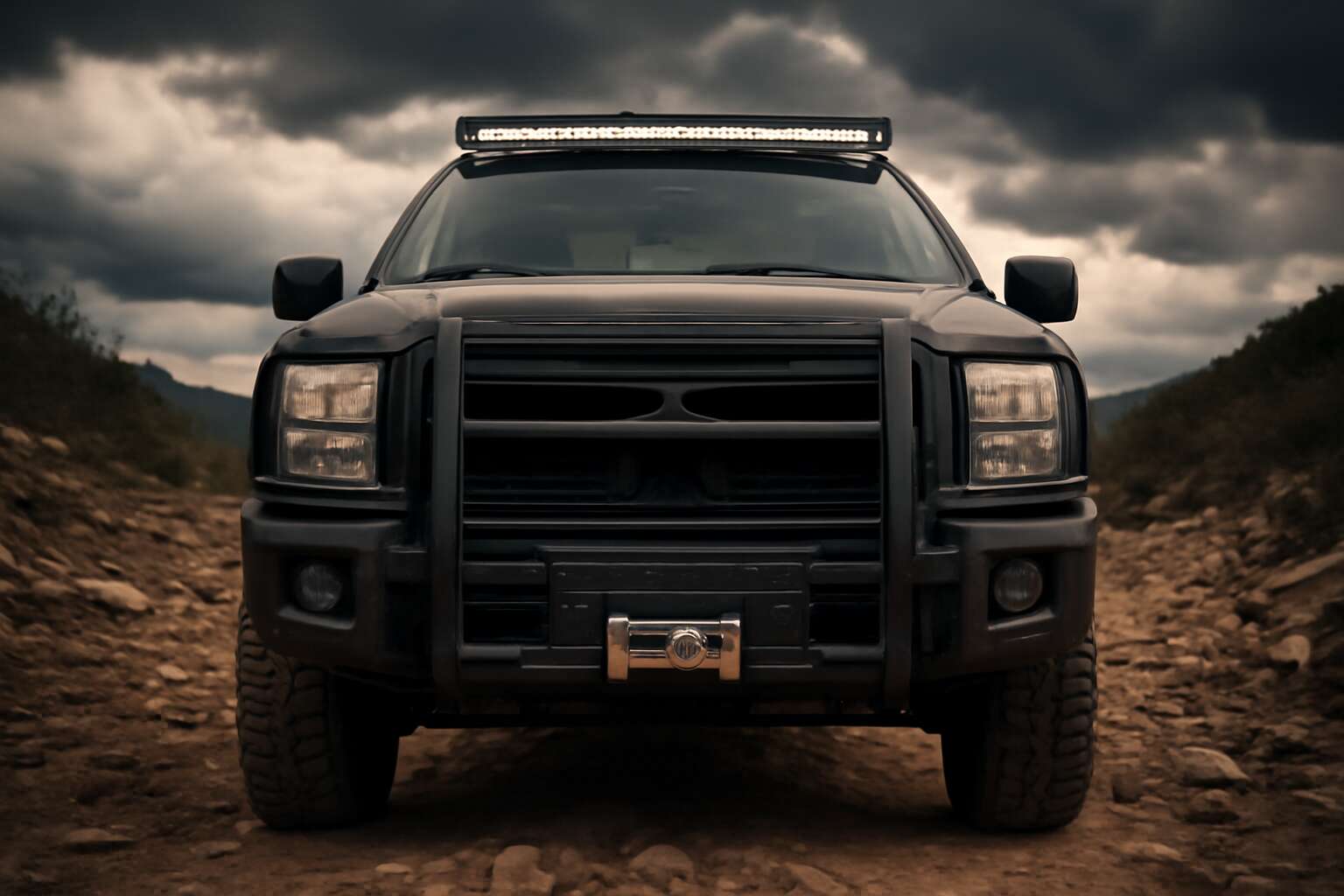
Bullbar Bumper SEO Outline: Comprehensive Guide
Section 1: Bullbar Bumper Basics and Use Cases
“Protection isn’t optional—it’s a promise you make to your family on every trip!” On South Africa’s mixed roads, a bullbar bumper becomes more than chrome; it is a shield against the unknown. I’ve watched drivers navigate dust, mud, and the occasional wandering wildlife, and such equipment can change the moment of impact into a measured response. This section outlines the basics and practical use cases that make it a staple here.
Key use cases include:
- Front-end protection against rocks, wildlife and debris on gravel roads
- Mounting points for winches, lights and recovery gear
- Reinforced structure to absorb low-speed impacts
From strength to style, the system translates rugged capability into everyday reliability, a feature South African roads can’t ignore. It blends practical protection with personality, ensuring the front end is ready for anything.
Section 2: Materials, Construction, and Durability of Bullbar Bumpers
Durability isn’t a luxury; it’s the quiet covenant behind every South African drive. The bullbar bumper must endure grit, sun, and the occasional wildlife encounter, and do so with elegant restraint. In this section, we peer into the materials and construction that keep that promise intact.
- High-tensile steel for stiffness and impact resistance
- Marine-grade stainless steel for corrosion protection
- Aluminium alloys for lighter weight and energy dispersion
- Coatings and galvanization to resist rust and wear
Beyond the gleam, construction is the hinge of trust: continuous welds, gussets where stresses gather, and coatings that shrug off sun, dust, and rain. A well-made unit marries steel integrity with practical aesthetics, proving that toughness can be tasteful.
Section 3: Installation, Fitment, and Vehicle Compatibility
In South Africa, a well-fitting bullbar bumper is more than a shield—it’s a negotiation between protection, style, and road reality. “Fitment is protection in motion,” notes an experienced fitter, and the point stands: the right unit sustains a vehicle’s silhouette while absorbing the unexpected.
Installation, fitment, and vehicle compatibility hinge on how the bumper sits with the chassis, panels, and safety sensors. The following considerations help keep that balance intact:
- Vehicle-specific mounting points and bumper geometry
- Sensor and wiring integration with parking aids
- Clearance for tow hooks, winches, and factory protection features
Manufacturers and installers aim for a clean integration that respects aesthetics and the law, avoiding bulk that disrupts airflow or visibility.
Section 4: Buying Guide and Safety Standards for Bullbar Bumpers
South Africa’s roads bite back, and a well-chosen bullbar bumper can mean the difference between a minor scuff and a costly repair bill. This buying guide hones in on safety standards, fitment integrity, and the legalities that keep you on the right side of the road. A bullbar bumper should blend protection with the vehicle’s lines, delivering calm under pressure while preserving visibility and airflow.
- Compliance with local safety standards (SABS) and vehicle-specific testing
- Sensor, wiring, and tow-hook compatibility to preserve parking aids
- Durable materials, corrosion resistance, and clear warranty coverage
- Adequate clearance for winches and aerodynamic considerations
When in doubt, request documentation that proves testing and fitment for your exact model. The right bullbar bumper stands as a safeguard and a statement of intent on South African roads.


0 Comments