
Understanding MCC Bumper Protection Systems: Design, Purpose, and Key Features
On South Africa’s roads, the bumper isn’t cosmetic—it’s frontline equipment. As one SA mechanic quips, “the wallet lives in the bumper after every pothole.” Enter the MCC bumper protection system, especially the mcc front bullbar, built for rugged rural and urban stretches.
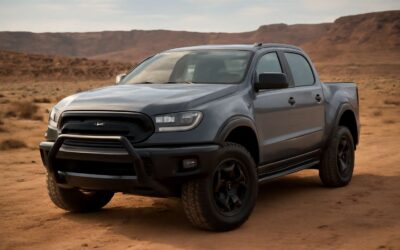
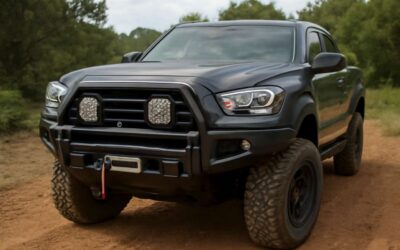
Designed to absorb impact and distribute it away from critical components, the front bullbar features corrosion-resistant materials, reinforced mounting, and a geometry that aligns with the vehicle’s crumple zones. The system balances protection with approach angle so you don’t lose the ability to open the bonnet after a bump.
Key features include:
- Durable, corrosion-resistant tubing and finish
- Simple mounting system compatible with most vehicles
- Integrated lighting or winch compatibility
In the SA market, aesthetics and protection coexist; a well-chosen MCC bumper protection system adds resale value and peace of mind, shielding radiator grills and sensors from wildlife and rough terrain.
Choosing the Right MCC Bumper System for Your Vehicle
Protection isn’t an afterthought on South Africa’s roads; it’s a daily calculation between risk and practicality. Choosing the right MCC bumper system means weighing how you use your vehicle—city commutes, gravel exploits, or rural pothole battles—against mounting options and crumple-zone alignment. The mcc front bullbar stands as a focal example, offering a sturdy shield without compromising bonnet access or visibility!
Consider fitment, finish, and the potential to integrate lighting or a winch. A few guiding considerations:
- Vehicle compatibility and mounting style
- Corrosion-resistant tubing and protective coating
- Support for accessories without altering approach angle
In the SA market, a well-chosen MCC bumper protects more than metal—it preserves momentum, resale value, and peace of mind on every journey.
Installation and Safety: How to Fit an MCC Bumper System Correctly
On South Africa’s scarred byways, protection is momentum forged in steel and resolve. I’ve learned that a watcher’s creed guides the night drive: keep the bonnet line honest, and the road will reveal its mercy. The murmur of a front bumper becomes a guardian, a shadow that absorbs the pothole’s bite and lets the engine breathe again.
Installation and safety begin with respect for fitment, clearance, and restraint. The mcc front bullbar must cradle the vehicle’s silhouette without blocking vision or engine access while preserving bonnet operation and sensor fields. It should feel native, not a reckless intruder.
- Vehicle compatibility and mounting style examined with care
- Corrosion-resistant tubing and protective coating considered
- Accessory pathways that do not alter approach angle or visibility
As road-worn metal meets grit, a thoughtful fit speaks louder than chrome. Favor a professional who reads the vehicle’s lines, aligns with bonnet contours, and tethers wiring for lighting or winch without tugging the frame into tension.
When night folds over the veld, the installation becomes a quiet pledge: protection that travels with you, momentum preserved, and the road kept honest beneath the tire’s quiet drumbeat.
Performance, Accessories, and Upgrades for MCC Bumpers
Performance on South Africa’s roughest routes hinges on measured engineering, not bravado. The mcc front bullbar isn’t just steel—it’s a deliberate balance of weight, energy distribution, and airflow that protects cooling and maintains clear sightlines. When aligned with a vehicle’s lines, it turns a jagged road into a controlled, predictable journey.
Accessories that accompany the MCC bumper system extend capability without compromising safety. Lighting arrays, winch compatibility, and sensor-friendly mounts stay true to the vehicle’s geometry, preserving visibility and control.
- Integrated lighting harness options
- Winch mounting brackets and electrical integration
- Skid plates and bash guards for belly protection
Upgrades focus on longevity and adaptability. Consider corrosion-resistant tubes, reinforced mounting brackets, and modular grilles that can be swapped as needs evolve. With the right upgrades, it remains responsive to South Africa’s varied terrain and the road’s demanding rhythm.

0 Comments