
Bullbar purpose and definitions
Bullbar purpose and definitions
In South Africa, rural routes mix potholes, scrub, and unexpected wildlife. A bullbar acts as a guardian—a practical shield for the vehicle’s face. So, what is a bullbar used for? It redirects energy away from the radiator and grille, reducing damage and helping you keep moving after a collision with wildlife or brush. It feels like a pragmatic talisman for the open road.
- Front-end protection against wildlife collisions and road debris
- Mounting point for recovery gear, winches, and auxiliary lighting
- Preservation of engine and cooling systems in low-speed impacts
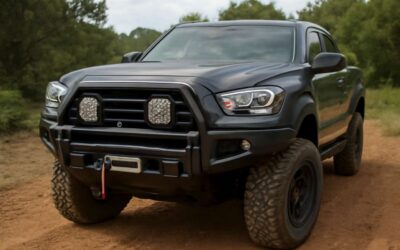
Beyond protection, the bullbar becomes a versatile platform for fittings that everyday South Africans appreciate—lights that cut the dusk, a winch for easing recovery, or a sturdy mount for essential gear. The definition of the bullbar stretches from shield to toolkit, resonating with resilience across city streets and dusty backroads alike.
Key components and materials
South Africa’s rural roads blend potholes, scrub, and unexpected wildlife into a daily test of nerve. what is a bullbar used for? It functions as a frontline shield that redirects energy away from the radiator and grille, reducing damage and helping you keep moving after a collision with wildlife or brush. It’s a practical guardian for the vehicle’s face and a tangible symbol of road-resilience learned on dusty backroads and city streets alike.
Beyond protection, the bullbar doubles as a platform for fittings that South Africans rely on—lights, winches, and recovery gear.
- Tubular steel or alloy body for strength
- Integrated mounting points for winches, lights, and recovery gear
- Crossbars and bash plates to manage debris
- Weather- and corrosion-resistant finishes
The right choice of materials, thickness, and finishes matters for longevity and safety on long, open stretches.
Common configurations and styles
Across South Africa’s rural tarmac, 4 out of 10 wildlife encounters end in a dent, a stark reminder that the road is an unpredictable teacher. Readers often ask what is a bullbar used for; the answer reaches beyond mere protection. It is a frontline shield that redirects energy away from the radiator and grille, helping to keep the vehicle moving after a brush with wildlife or scrub.
- Slimline bullbars for tight spaces and urban corridors
- Full-width designs that wrap the grille for maximum protection
- Modular systems that accept winches, lights, and recovery gear
- Airbag-compatible variants that preserve safety system integrity
From utilitarian steel to sleek powder-coated finishes, styles vary to suit dust, rain, and the Highveld glare. The styling conversation weighs not just looks but longevity and compatibility with safety systems, ensuring a reliable companion on long open stretches and in crowded city avenues alike. On South African roads, the bullbar stands as a tangible symbol of road-resilience!
Protection and safety benefits
Front-end protection features
Front-end protection is where the rubber meets the road in South Africa’s real-world driving. what is a bullbar used for? It’s not a vanity accessory; it’s a shield that helps redirect impact energy away from the radiator and frame, potentially saving you from costly repairs after a stray animal or a low-speed bump. On busy streets and dusty rural roads, that shield means fewer dents and less downtime.
Protection and safety benefits hinge on front-end protection features that matter:
- Reinforced structures that dissipate impact energy
- Guarding critical components like the radiator and cooling lines
- Safer approach geometry for restraint systems
These features translate to less damage and quicker returns to the road.
As one safety professional puts it: “Protection is not optional—it’s the quiet driver in your seat.” That idea sums up the front-end protection story: fewer repairs, less downtime, more confidence.
Impact absorption and load distribution
In South Africa’s rough-and-tumble roads, the front end takes the hardest hits. So, what is a bullbar used for? It’s not a vanity accessory; it’s a shield designed to divert impact energy away from the radiator and frame, potentially sparing you costly repairs after a stray animal or a low-speed nudge.
Protection and safety benefits hinge on smart energy management. A well-designed bullbar channels crash energy into its own sturdy lattice, promoting impact absorption and even load distribution across the chassis, so critical components like the radiator stay guarded under pressure.
That translates to fewer dents, less downtime, and a more confident return to the road.
- Energy pathways that dissipate forces rather than concentrate them
- Load sharing that protects critical equipment
- Better restraint-system geometry during low-speed impacts
“Protection is the quiet driver in your seat,” a veteran safety officer reminds us.
Lighting, visibility, and accessory integration
On South Africa’s weathered highways, protection is not vanity—it’s survival. what is a bullbar used for? It stands as a shield that redirects blunt energy away from the radiator and frame, turning a collision into a controlled, survivable moment. When crafted with smart energy pathways, it helps the vehicle endure the unexpected, keeping critical guts of the car intact and your journey on track.
Lighting and visibility rise as quiet allies. A bullbar can be a platform for auxiliary lamps, cutting through darkness and dust with steadier aim. Its design also influences seatbelt geometry at the moment of impact, guiding restraint systems toward safer engagement during low-speed bumps.
- Lighting pathways that enhance night driving
- Mounted accessories that preserve visibility without clutter
- Structural mounts that keep sensors and winches aligned
These elements translate into fewer dents, less downtime, and a steadier heartbeat for your next return to the road.
Protection for vulnerable components
South Africa’s roads are a constant reminder that protection on the highway is practical, not ornamental. In plain terms, what is a bullbar used for becomes clear as it guards vital hardware. It redirects blunt energy away from the radiator and frame, turning a collision into a controlled, survivable moment. With smart energy pathways, it helps the vehicle endure the unexpected, keeping the car’s guts intact and your journey on track.
Protection extends to specific vulnerable components. The list below highlights areas bolstered by a bullbar’s protection:
- Radiator and condenser shielding
- Headlights and wiring protection
- Core support, frame rails, and mounting points
- Sensors, airbags, and related safety modules
Yet protection isn’t brute courage alone; it is harmony. A well-styled bullbar respects sensor geometry and airbag architecture, reducing misreads and misfires while still absorbing a front-on hit. On SA roads, that balance translates to fewer insurance headaches and a faster return to the road without surrendering safety.
Regulatory, legal, and safety standards
Legal requirements by region
Compliance trumps bravado: the front-end you install today writes the roadworthiness of tomorrow. In South Africa, regulators require aftermarket bullbars not to obstruct headlights, indicators, or airbags, and to remain within approved dimensions. Local authorities and insurers will look for certification and proper installation, because a beautiful misfit is still a liability!
From experience, I’ve learned that three regulatory touchpoints often surface in practice.
- Compliance documentation and certification
- Impact and pedestrian safety alignment
- Electrical integration that preserves lighting and airbags
Ultimately, what is a bullbar used for becomes clear: safety, legality, and roadworthiness.
Certification and compliance
Safety wears a quiet crown on these South African streets, where every modification passes under the watchful eye of the law. In this realm, certification is not a nuisance but a shield. “Certify or apologize later,” the old regulators murmur, guiding hands through the workshop’s breath.
Key pillars of compliance, softly spoken but firm:
- Comprehensive documentation and third-party attestations
- Pedestrian safety alignment and impact considerations
- Electrical integrity that preserves lighting and airbags
So, what is a bullbar used for in practice? It is a guardian of legality, a shield for life, and a measure of roadworthiness.
Impact on insurance and safety ratings
Regulatory rigor in South Africa treats a bullbar as more than chrome; it’s a legal instrument with teeth. Asking what is a bullbar used for reveals a fusion of protection, liability management, and roadworthiness. The right setup passes inspections rather than dragging the process into the red.
Key regulatory, legal, and safety standards at play include:
- Regulatory approvals and SA homologation
- Insurance implications and premium impact
- Pedestrian safety and safety rating alignment
These standards shape insurer risk assessments and keep roadworthiness metrics honest in the real world.
Installation guidelines and professional fitting
Regulatory, legal, and safety standards in South Africa treat a bullbar as more than chrome—it’s a legal instrument with teeth. The right setup helps pass roadworthiness inspections and aligns with pedestrian safety ratings, avoiding red-flag costs. Understanding what is a bullbar used for anchors a broader view of mounting standards that protect occupants and manage liability on every drive.
Installation guidelines and professional fitting are non-negotiable. Only a certified fitter, familiar with SA homologation, should handle mounting, electrical integration, and weight distribution. Proper installation preserves vehicle integrity and warranty while ensuring the protection designed into the bar remains effective.
- Certified installer with SA homologation knowledge
- Vehicle-specific mounting points and load ratings
- Electrical and lighting integration checked
- Documentation for inspections and insurance purposes
These considerations keep the analysis honest in the real world—where visibility, safety, and compliance collide on every road.
Temporary versus permanent fixtures
Regulatory, legal, and safety standards shape every choice about a bullbar in South Africa. Homologation rules define load ratings, crash performance, and pedestrian safety that inspectors scrutinize at roadworthiness checks. When you ask what is a bullbar used for, the answer sits at compliance, liability, and confident driving.
Temporary versus permanent fixtures heighten the stakes. Bolt-on, removable bars may seem convenient, but they often fail to sustain crush energy and can trigger red flags during inspections. A permanently integrated system, engineered for your vehicle and tested for SA homologation, aligns with safety and insurance expectations.
- Temporary fixtures: quick, non-structural mounting with higher loosening risk
- Permanent fixtures: vehicle-specific mounting with proper load distribution
Ultimately, compliance blends physics and paperwork—every component under scrutiny to prevent liability on the road. Clear documentation and proven fittings help maintain warranty and pedestrian safety ratings, keeping the focus on safety rather than sensationalism.
Choosing, installing, and maintaining a bullbar
Selecting the right bullbar for your vehicle
Choosing a bullbar is less about size than about fit and purpose. In contemplating what is a bullbar used for, you weigh protection of the nose, preservation of visibility, and the quiet presence on South Africa’s rugged roads. Installation then becomes a dialogue between geometry and resilience, a seamless union rather than a bolt-on afterthought.
- Vehicle compatibility and bumper geometry alignment
- Material and coating suited to SA climate and corrosion risk
- Warranty, certification, and trusted mounting systems
Maintenance follows a philosophy of care: observe finish integrity, inspect mounting points for wear, and renew protective coatings when needed. Such attentiveness keeps the bullbar looking as stately as a well-kept dream and ready to honor its purpose on the road ahead.
Installation tips and professional mounting
Rugged SA roads demand more than a cosmetic shield. In rural driving data, front-end protection can significantly reduce nose damage and repair costs. what is a bullbar used for? It’s a deliberate blend of nose protection, visibility preservation, and quiet resilience that travels with you across tar and dust. Installation becomes a dialogue between geometry and strength, not a bolt-on afterthought.
Choosing and installing requires a vehicle-specific mount and professional fitting. Installation tips and professional mounting:
- Choose a vehicle-specific mounting kit matched to bumper geometry.
- Have the installer verify alignment with headlights and sensors.
- Re-torque fasteners and recheck alignment after about 100 km and periodically thereafter.
Maintenance follows a simple discipline: inspect finish integrity, check mounting points for wear, and renew protective coatings when needed to keep the bullbar looking stately on the road ahead.
Maintenance and care for longevity
On South African roads, a bullbar is more than metal—it’s a quiet omen of protection against the unexpected. what is a bullbar used for? It guards the painted nose, preserves visibility, and cushions the blunt truth of a head-on moment. Choosing and installing is a dialogue between geometry and durability; it must harmonize with bumper contours and be treated by pros who respect suspension and sensor layouts.
Choosing means balancing every contour with a mount made for your model, then entrusting the fit to a technician who inspects alignment and returns for a fresh check after the first hundred kilometers. The installation is not a bolt-on afterthought; it is a careful ritual conducted by specialists who understand frame geometry and the delicate theater of headlights.
- Inspect finish integrity
- Check mounting points for wear
- Renew protective coatings when needed
Maintenance and care for longevity keep the bullbar stately on the road ahead.
Cost considerations and warranties
On South African roads, choosing a bullbar is a dialogue between geometry and durability. “what is a bullbar used for,” you might ask, and the answer unfolds as a shield for the painted nose, a guardian of visibility, and a partner in shaping bumper contours with the frame so the front end breathes as one. The process fuses a mount tailored to your model with a technician who reads the geometry and respects suspension and sensor layouts.
Installing is a ritual, not a bolt-on afterthought. In my experience, a professional fitting aligns the bar with the vehicle’s frame, checks clearance, and preserves headlight performance. The fit is tested with alignment checks and a first-drive after the hundred-kilometer mark to reassure that the road and its surprises are met as one.
Cost considerations and warranties stand as their own chapter. The price tag includes parts, labour, and potential warranty terms; a solid quote can reveal long-term value when a manufacturer backs the fit and the shop stands by its workmanship.
- Upfront cost versus long-term value
- Installation and alignment charges
- Warranty coverage and workmanship guarantees
Warranty terms vary by brand and retailer; always confirm coverage for mounting hardware, coating protection, and sensor recalibration.
Aftermarket accessories and compatibility
What is a bullbar used for? It functions as a shield for the painted nose and a guardian of visibility, guiding the front end so it breathes in unison with the vehicle. On South African roads, the bullbar is both protection and poise, fusing aesthetics with the practical geometry of your ride.
- Model compatibility and mounting geometry
- Sensor and lighting integration
- Finish and corrosion protection
Choosing the right fit is a dialogue—between model compatibility, mounting geometry, and aftermarket accessories—ensuring the bar sits as a natural extension, not an afterthought.
Maintenance keeps the argument alive: regular cleaning, inspection for loose bolts, repainting wear spots, and treating the paint to resist scuffs — what is a bullbar used for in everyday driving, in other words, protection, visibility, and harmony.

0 Comments